
Conservation in action
Explore our four programmes and the activities that support them.
Programme 01
Bio-Conservation Club works to protect endangered and threatened wildlife and the habitats they depend on. Our work combines wildlife monitoring, research, community engagement and practical conservation action to understand species, identify threats and support their protection.
Through camera-trap monitoring and collaboration with local communities and conservation partners, we contribute to safeguarding vulnerable wildlife and promoting coexistence between people and animals.
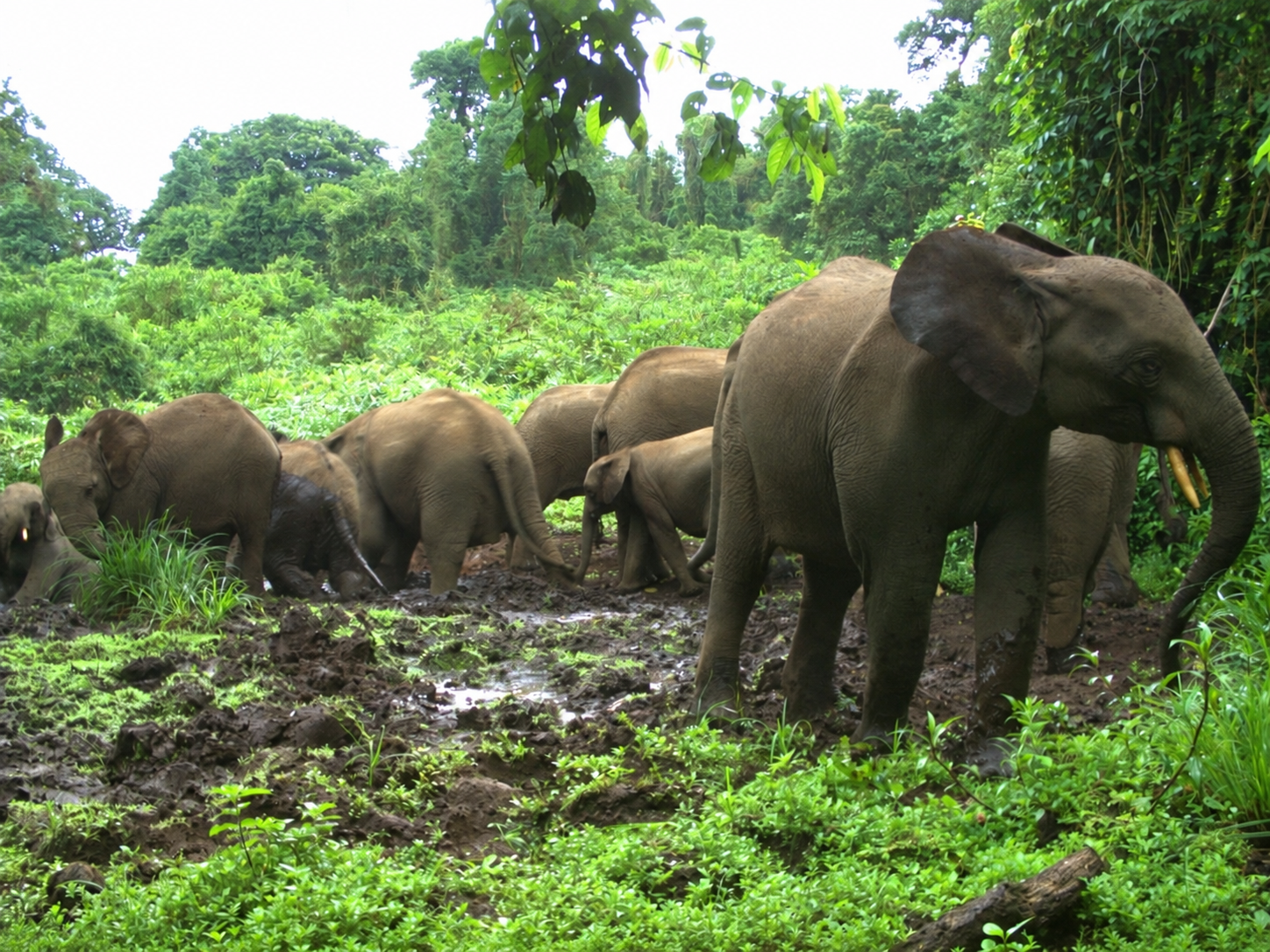
Our camera-trap collection documents wildlife in forest habitats. The club’s documented field-method activities include camera traps, acoustic devices and bird surveys to support environmental research and conservation.
Programme 02
We restore degraded ecosystems through practical action with local communities. Our mangrove restoration work supports the recovery of coastal habitats that provide shelter for wildlife, support fisheries and help protect shorelines.
Our approach includes planting, caring for restored areas and encouraging community participation in their long-term protection. We connect ecosystem recovery with the needs of the people who depend on these landscapes.
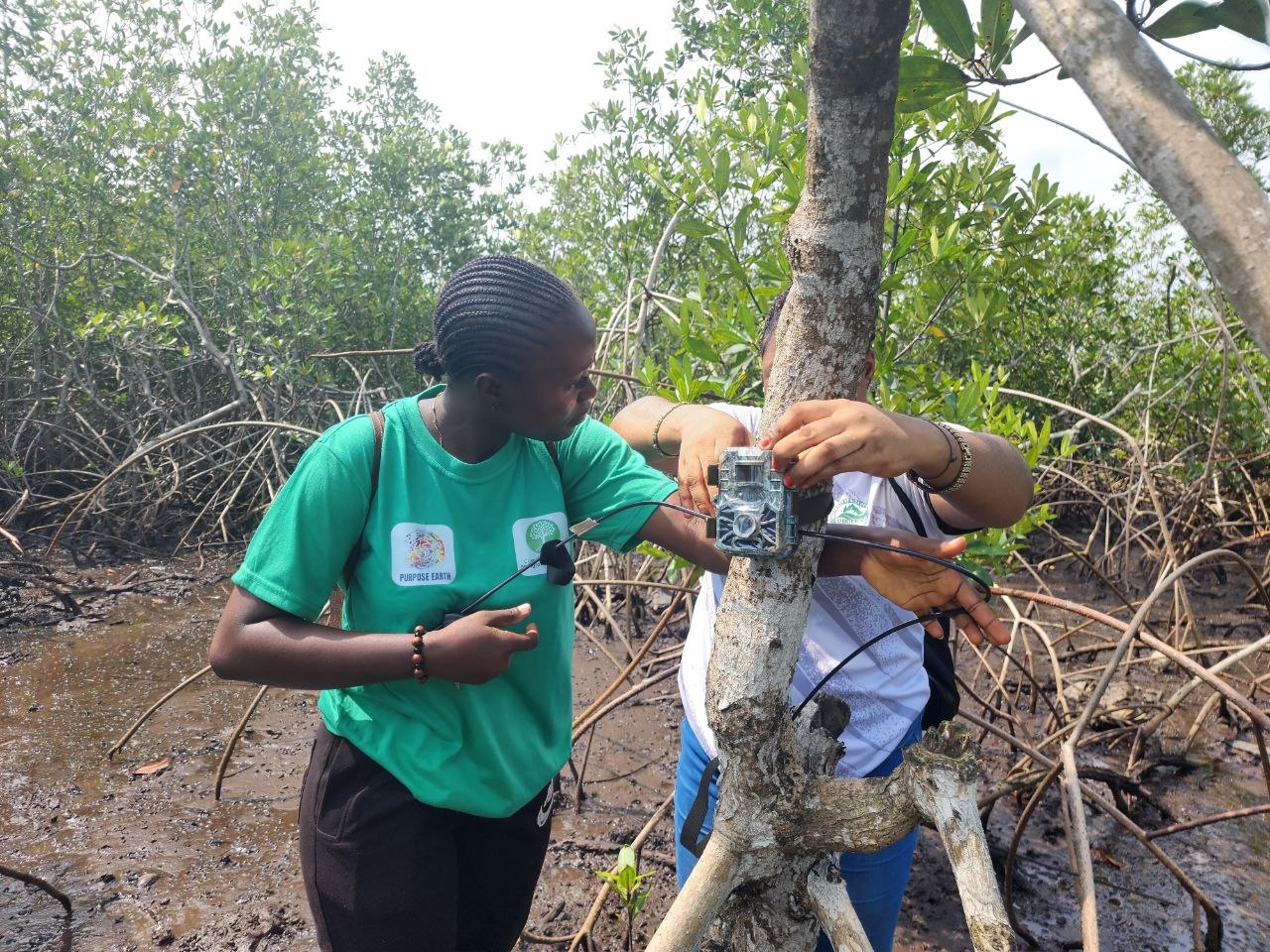
Supported by Purpose Earth, this project combines planting and nurturing seedlings, a nursery and community conservation activities along the Tiko coastline. Its documented restoration target is 30 hectares of degraded mangrove habitat.
Read about the mangrove restoration project →
Residents, volunteers and stakeholders come together to remove marine debris and encourage responsible waste management along the Tiko coastline.

Programme 03
Working with local communities and schools.
We work with schools and local communities to strengthen understanding of biodiversity and develop the skills needed to take practical conservation action. Our education activities connect environmental issues with everyday life, helping participants understand the value of wildlife, forests, wetlands and healthy ecosystems.
Through school visits, conservation clubs, community discussions and hands-on learning, we encourage students and community members to protect their environment. Our capacity-building activities help participants develop practical skills and take greater responsibility in conservation initiatives.
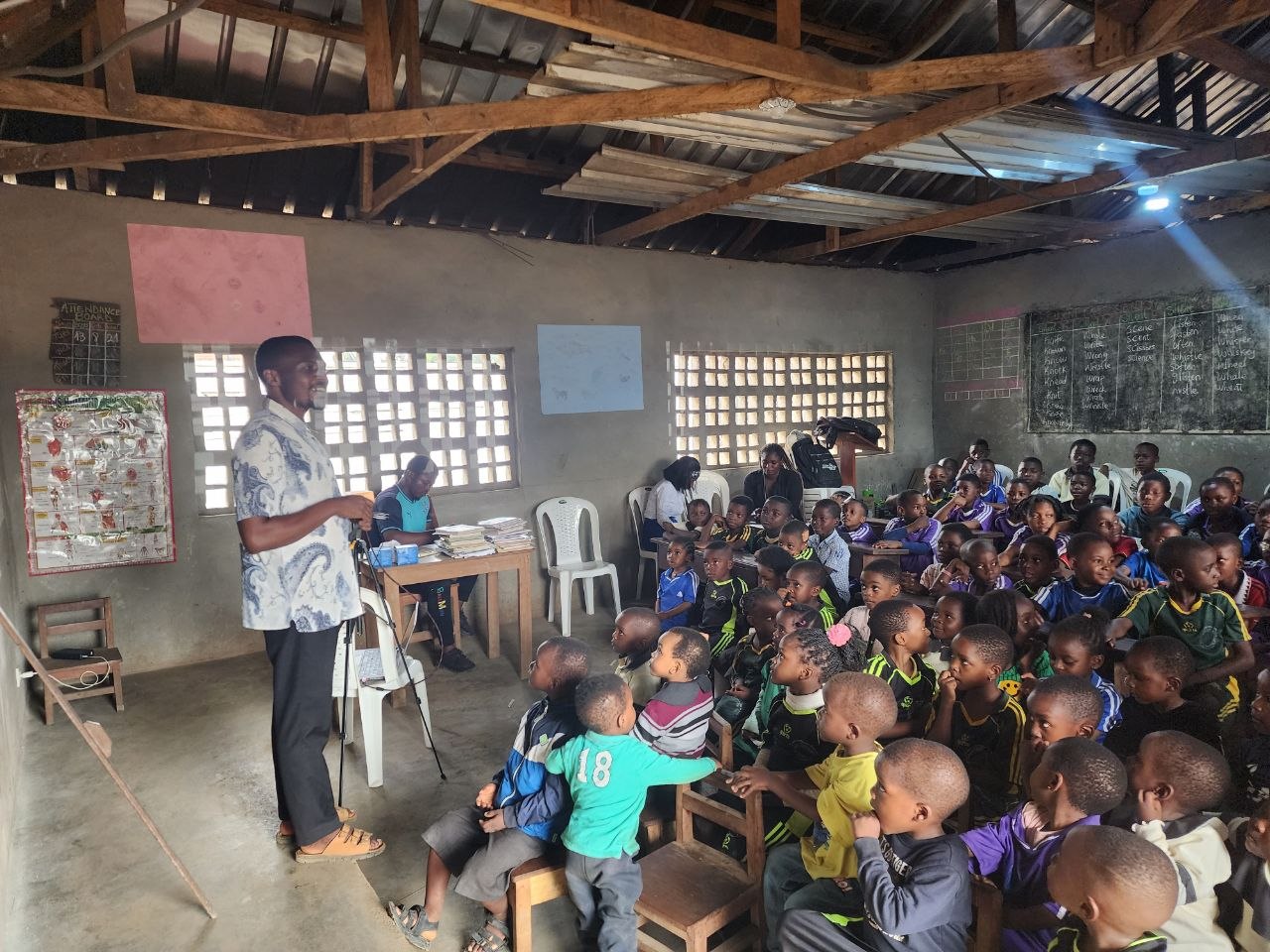
The documented programme uses workshops, interactive sessions and field visits to help secondary school students understand birds, their habitats and avian conservation in the Mount Cameroon area.
Read about the bird education programme →
Documented training covers binoculars for bird surveys, GPS mapping, recce and transect techniques, camera traps and acoustic devices. These activities develop practical environmental research and wildlife-monitoring skills.
Programme 04
Conservation is stronger when people have sustainable ways to meet their needs. We support alternative livelihood initiatives that aim to reduce pressure on natural resources while creating practical opportunities for local communities.
Our approach connects conservation with skills development and income-generating activities suited to local conditions. By working with communities, we seek to support livelihoods that contribute to both household wellbeing and environmental protection.
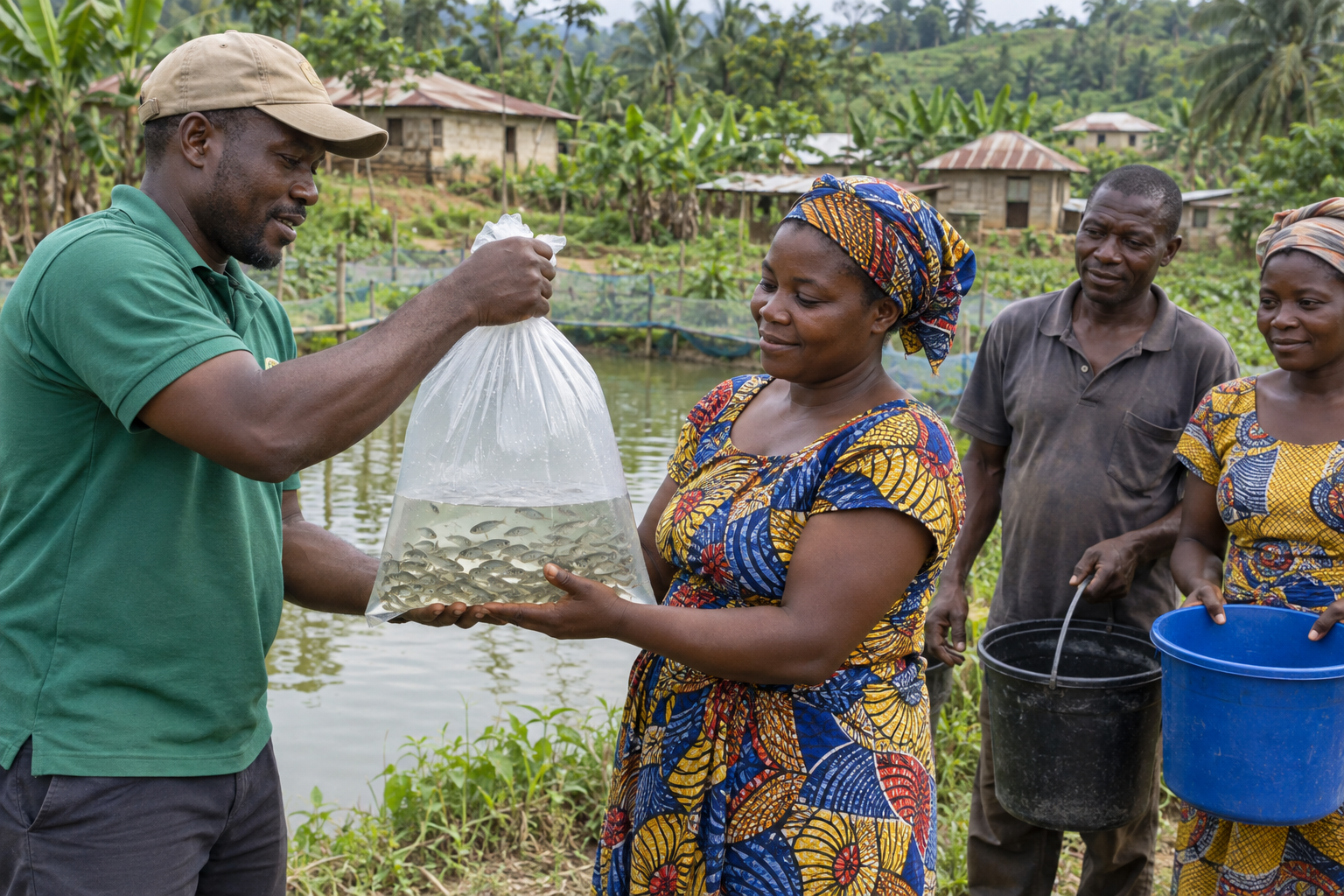
The club’s livelihood activities include fish farming for fishermen as an alternative income-generating activity.
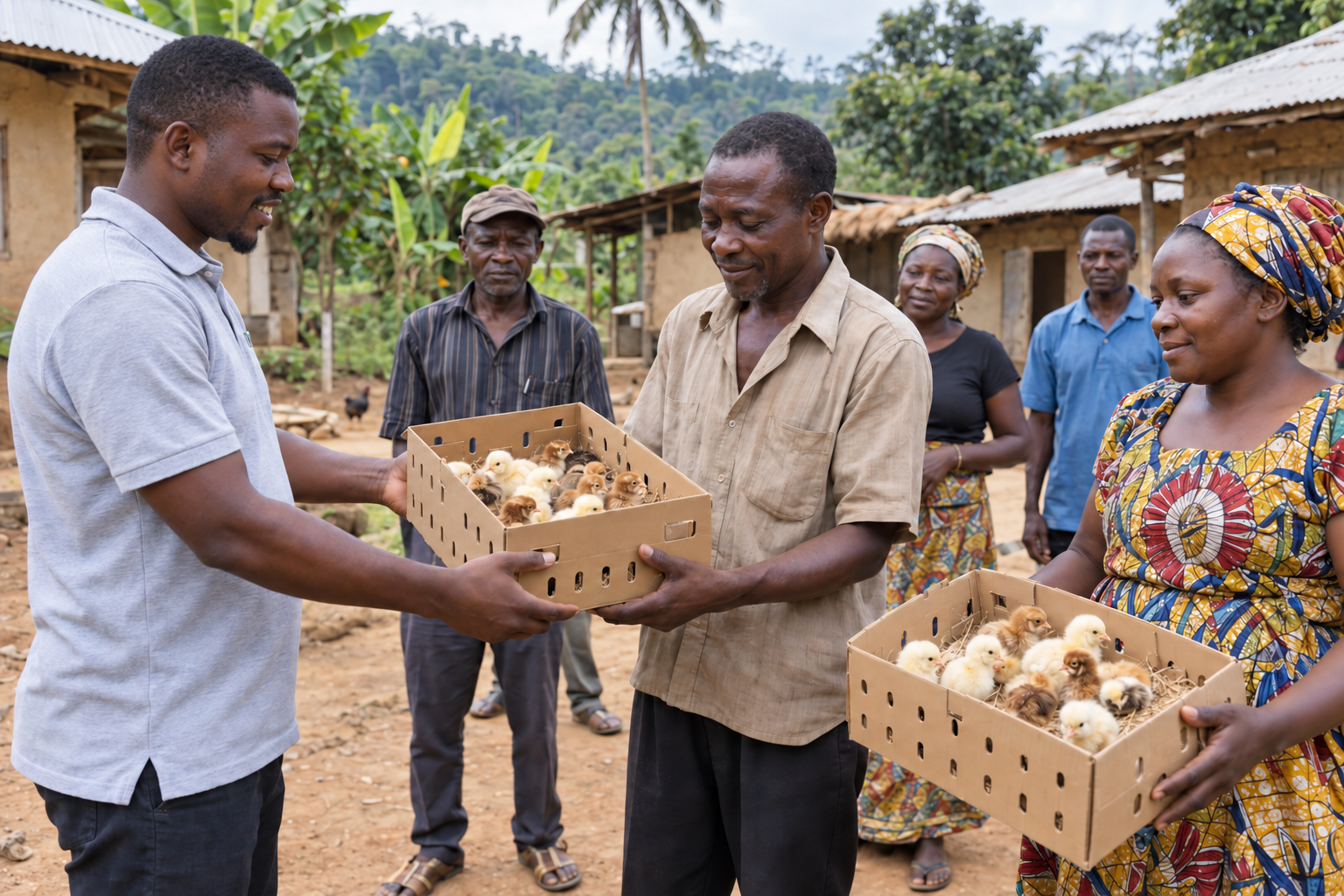
Poultry farming is another livelihood activity supported by the club.
Malingo Street, Molyko - Buea,
SWR Cameroon